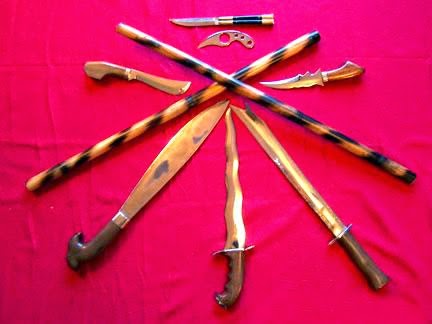
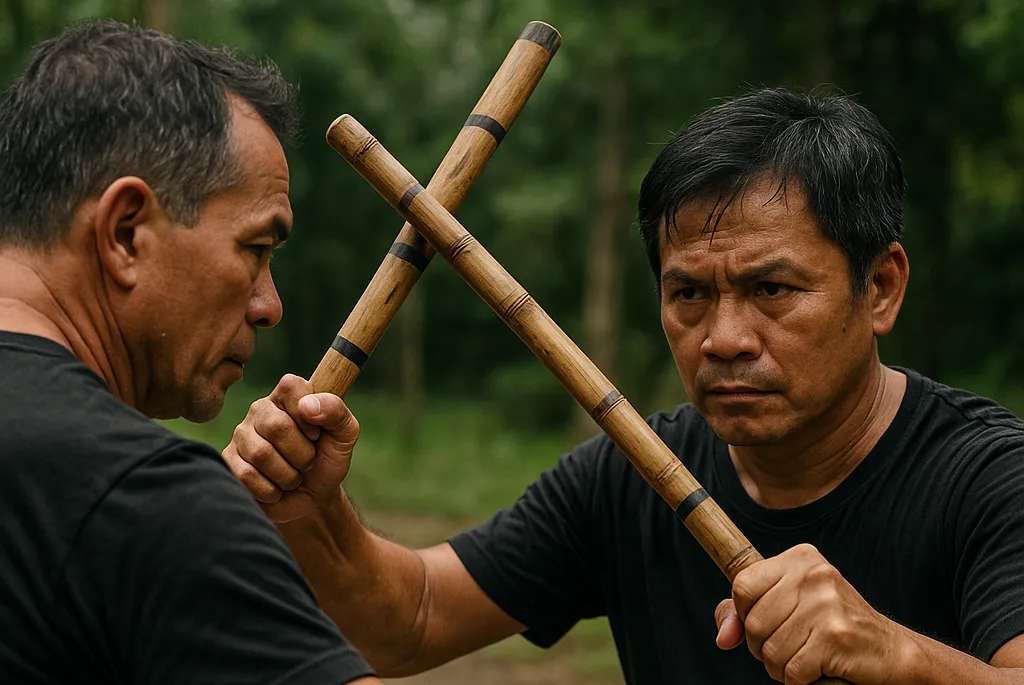
Kali, also known as Eskrima or Arnis, is an ancient Filipino martial art with a rich history spanning centuries. This weapons-based fighting system has evolved through countless generations, shaped by the unique geography, culture, and conflicts of the Philippine archipelago.
Ancient Origins
The roots of Kali trace back to pre-colonial Philippines, long before Spanish colonization in the 1500s. Indigenous Filipino warriors developed sophisticated fighting techniques using bladed weapons, sticks, and improvised tools. These methods were essential for survival, tribal warfare, and defending against raiders.
The art was passed down through oral tradition and hands-on training, with each region developing its own distinct styles and techniques. The name "Kali" itself is believed to derive from various sources, including the ancient word "Kalis" (a type of blade) or "Kamot-Lihok" (hand movement).
Colonial Era and Resistance
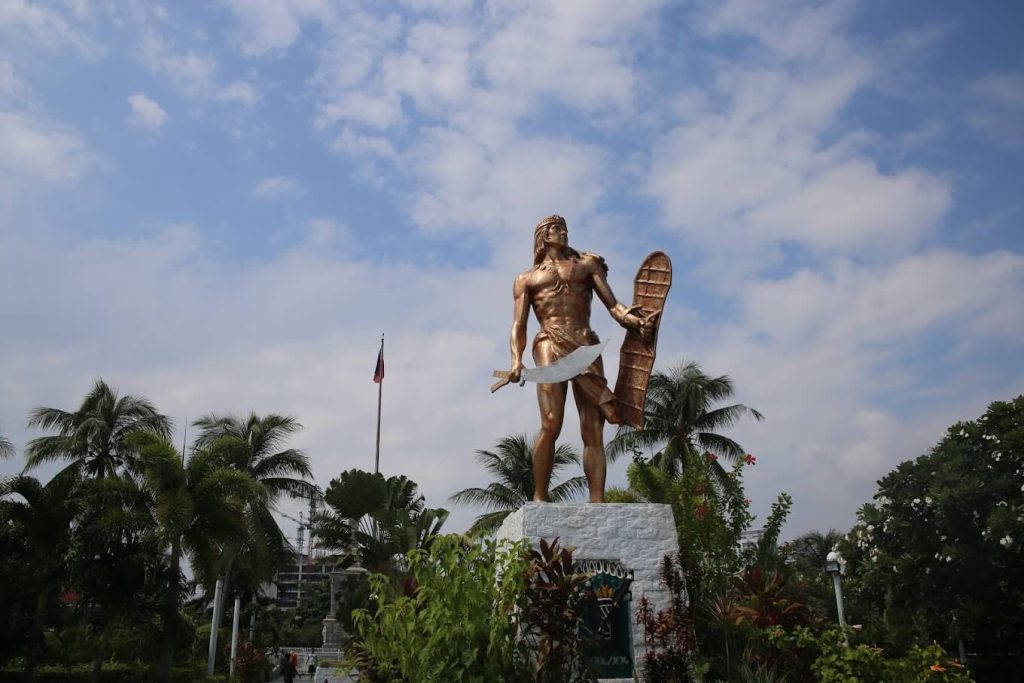
When Spanish colonizers arrived in 1521, Filipino warriors using Kali techniques posed a significant challenge to the armored conquistadors. The Battle of Mactan in 1521 saw Lapu-Lapu, a Filipino chieftain skilled in Kali, defeat Portuguese explorer Ferdinand Magellan in combat.
During the 333 years of Spanish colonial rule, the practice of Kali was banned and driven underground. Practitioners disguised their training as folk dances, preserving the art through cultural performances. This period of suppression actually strengthened the art, as practitioners became more determined to preserve their martial heritage.
Modern Evolution
In the 20th century, several masters worked to revive and systematize Kali for modern times. The Philippine government officially recognized Arnis as the national martial art and sport in 2009, cementing its cultural significance.
Today, Kali has spread globally, with schools teaching traditional and modern variations worldwide. The art has influenced military and law enforcement training, particularly in knife defense and close-quarters combat techniques.
Key Historical Figures
- Lapu-Lapu - The chieftain who defeated Magellan, demonstrating the effectiveness of Filipino martial arts
- Floro Villabrille - Helped preserve and teach Kali in the United States
- Angel Cabales - Founded the first Eskrima school in America in 1966
- Dan Inosanto - Bruce Lee's protege who popularized Filipino martial arts globally
Preserving Tradition
At Kombat Kali, we honour this rich history while adapting these time-tested techniques for modern self-defence needs. We believe understanding the historical context and cultural significance of Kali deepens one's appreciation and mastery of the art.